Affordable Senior Apartments for Independent Living — Everything Included
Senior apartment communities offer a practical and welcoming housing option for adults who value independence, safety, and a simplified lifestyle. These communities are designed to reduce daily responsibilities while providing comfort, predictable expenses, and opportunities for social connection.
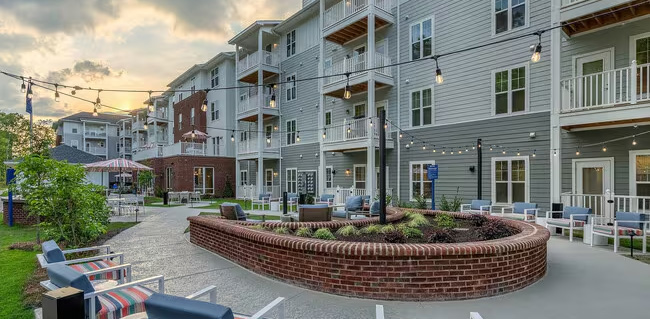
As people move into a new stage of life, maintaining a large home often becomes less appealing. Rising maintenance costs, property taxes, and utility bills can create unnecessary stress. Apartment living provides a manageable alternative, allowing residents to focus on enjoying their time rather than maintaining a property.
Picture living in a clean, well-managed apartment where everyday concerns are handled professionally, giving you more freedom and peace of mind.
What Are Independent Senior Apartment Communities?
Independent senior apartment communities are residential properties designed specifically for adults who want to live on their own without the burden of home maintenance. These communities typically include:
• Elevator access and step-free entrances • Wide hallways and accessible apartment layouts • Safety features such as handrails and non-slip flooring • Emergency call systems and controlled building access • On-site management and maintenance staff
Many are located near grocery stores, healthcare providers, pharmacies, parks, and public transportation, making daily life convenient and accessible. Apartments commonly range from studios to one- and two-bedroom units, offering flexibility for different budgets and preferences.
Why This Lifestyle Appeals to So Many Adults
Independent apartment living offers a balance of freedom, security, and community.
Residents enjoy privacy and autonomy while avoiding responsibilities like lawn care, repairs, and seasonal upkeep. Professional management ensures issues are addressed quickly, while secure entry systems and emergency features provide reassurance.
Social spaces and optional activities help residents stay connected, reducing isolation while respecting personal independence.
Understanding Costs and Monthly Expenses
One of the main advantages of senior apartment living is predictable and transparent pricing. Instead of managing multiple bills, residents typically pay a single monthly rent.
Typical Monthly Rent Ranges
Costs vary by location, apartment size, and amenities. In most metropolitan and suburban areas, common price ranges include:
• Studio apartments: approximately $1,200 – $1,700 per month • One-bedroom apartments: approximately $1,500 – $2,400 per month • Two-bedroom apartments: approximately $2,000 – $3,500 per month
Urban centers and newer buildings tend to cost more, while suburban or smaller markets may offer more affordable options.
What Is Often Included in Rent
Many senior apartment communities include:
• Building maintenance and repairs • Water, trash service, and sometimes utilities • Landscaping and snow removal • On-site management and security • Access to shared amenities
This structure simplifies budgeting and eliminates surprise expenses.
Optional Services and Additional Costs
Some services may be available for an added fee, such as:
• Parking or garage spaces • Housekeeping or laundry services • Meal programs or shared dining • Transportation or shuttle services
Residents can choose services based on their needs and budget.
Affordable and Income-Based Housing Options
For individuals on fixed or limited incomes, income-based or subsidized senior housing programs may be available. These programs are typically managed by public agencies or non-profit organizations and offer reduced rent based on income eligibility.
Apartment Living vs. Traditional Housing
Compared to owning or maintaining a house, apartment living significantly reduces daily responsibilities. Maintenance, repairs, and many utilities are handled by the property, and security features are built in.
Monthly costs are easier to manage, and residents benefit from a more social, community-oriented environment.
Features and Amenities That Support Daily Living
Modern senior apartment communities focus on comfort and well-being. Common features may include:
• Fitness rooms or wellness programs • Community lounges and activity spaces • Outdoor patios or walking paths • Laundry facilities or in-unit washers • Pet-friendly policies • Easy access to transit and local services
These amenities encourage active living and convenience.
How to Choose the Right Senior Apartment
Choosing the right apartment starts with research and in-person visits. Online platforms allow renters to compare pricing, locations, and amenities. Touring communities helps evaluate cleanliness, accessibility, and staff responsiveness.
Important questions include what is included in rent, how maintenance requests are handled, lease terms, and emergency procedures. Speaking with current residents can provide valuable insight.
Flexible Lease and Short-Term Options
Some communities offer flexible lease terms or short-term stays. These options are ideal for those relocating, downsizing, or trying apartment living before making a long-term commitment.
Two-Bedroom Apartments and Shared Living
Two-bedroom apartments are popular among couples, roommates, or those wanting space for guests or a home office. Sharing a unit can reduce individual costs while maintaining comfort and privacy.
Wellness, Community, and Quality of Life
Independent senior communities often encourage engagement through fitness classes, social gatherings, educational programs, and hobby groups. Staying active and socially connected supports both physical and emotional health.
Making the Transition Smooth
Moving into an apartment can be a positive lifestyle change. Downsizing gradually, getting help from family or friends, and personalizing the space can make the transition easier. Participating in community activities early helps residents feel at home.
Conclusion
Independent senior apartment communities offer more than a place to live — they provide a lifestyle built around comfort, safety, and independence. With predictable costs, reduced responsibilities, and supportive community features, residents can enjoy daily life with confidence and peace of mind.
As one resident shared: “Everything feels easier now. I can focus on living, not maintaining a house.”